Common water heater installation mistakes include choosing the wrong unit size, making poor plumbing connections, installing incorrect venting, and skipping safety checks. These problems can lead to leaks, uneven water temperatures, higher energy bills, and early system failure. Proper installation, careful testing, and regular maintenance help a water heater work safely and reliably.
Which Water Heater Installation Mistakes Cause the Most Problems?
A water heater needs the correct size, secure connections, and properly installed safety components to work as expected. When Yukon water heater installation steps are missed or rushed, the system may struggle to provide enough hot water or develop problems earlier than expected.
1. Choosing the Wrong Water Heater Size
A water heater that is too small may not provide enough hot water for everyone in the household. You may notice the water turning cold during showers or when several appliances are running at once.
An oversized unit can also cost more than necessary. The right size depends on household demand, the number of people using hot water, and the type of system being installed.
Tankless water heaters require additional planning. Installers must consider the expected water flow and the temperature rise needed to deliver enough hot water throughout the home.
2. Making Poor Plumbing Connections
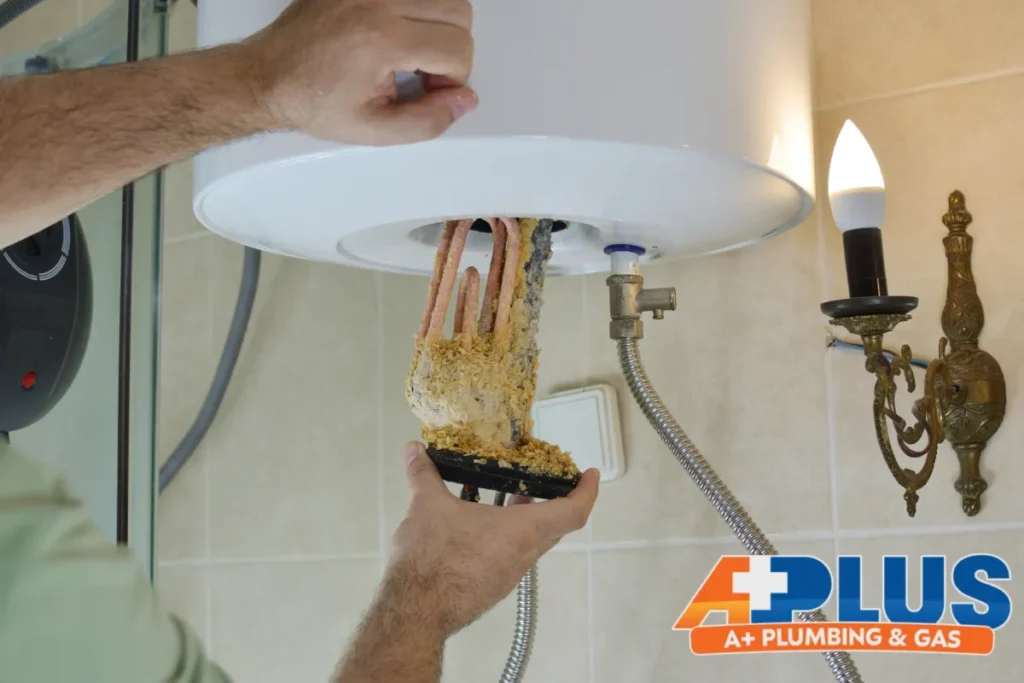
Loose fittings, damaged seals, and incorrect pipe connections can cause leaks. Even a small leak can damage nearby walls, flooring, or other parts of the property if it goes unnoticed.
The hot and cold water lines must connect to the correct ports. Installers should use suitable fittings and follow the manufacturer’s instructions to reduce the risk of leaks and connection problems.
3. Installing Incorrect Venting or Gas Connections
Gas water heaters need proper venting to carry combustion gases outside. Poor venting can allow dangerous gases, including carbon monoxide, to enter the home.
Gas connections must also meet the unit’s fuel requirements. Incorrect connections or an undersized gas supply can affect performance and create safety risks. Qualified professionals should handle gas line work, venting checks, and related safety tests.
4. Skipping Important Safety Components
Water heaters rely on safety components to help control temperature and pressure. One important part is the temperature and pressure relief valve, which releases excess pressure or temperature when needed.
Incorrect installation of this valve or its discharge pipe can create a serious safety risk. Depending on the plumbing system, a thermal expansion tank may also be required.
These components should never be removed, blocked, or altered without proper guidance. They must be installed according to the manufacturer’s instructions and applicable plumbing requirements.
5. Failing to Check Electrical Connections
Electric water heaters need the correct power supply, wiring, and circuit protection. Incorrect wiring can cause the unit to malfunction, damage internal parts, or create an electrical hazard.
A conventional electric storage water heater must be filled with water before its heating elements are powered on. Turning on the elements while the tank is empty can damage them quickly.
Common installation mistakes at a glance
| Mistake | Possible result |
| Incorrect sizing | Not enough hot water or an unsuitable system |
| Loose plumbing fittings | Leaks and water damage |
| Poor gas venting | Carbon monoxide exposure risk |
| Incorrect electrical connections | Malfunctions or electrical hazards |
| Missing safety components | Unsafe pressure or temperature conditions |
| Skipped startup checks | Problems that go unnoticed after installation |
How Can Incorrect Installation Shorten a Water Heater’s Life?
Installation problems can place extra strain on a water heater and its components. Several common issues can affect how well the system performs over time.
Incorrect Water Pressure
Water pressure that is too high can put extra stress on plumbing connections and water heater components. A professional can check the pressure and determine whether a pressure-reducing valve or thermal expansion tank is needed.
Incorrect Temperature Settings
A temperature setting that is too high can increase energy use and the risk of scalding. Settings that are too low may also create concerns under certain conditions. The correct setting depends on the manufacturer’s instructions, household needs, and relevant safety guidance.
Ignoring Manufacturer Instructions
Every water heater has installation requirements for connections, clearances, power or fuel supply, and venting where applicable. Ignoring these instructions can affect system performance, safety, and warranty coverage.
Following the installation manual helps ensure that the unit is suitable for the property and installed as intended.
Skipping Final Testing
Connecting the unit is only part of the installation process. The system should be checked before the work is considered complete.
A proper inspection may include checking for leaks, confirming the water supply and power or fuel connections, verifying venting where required, and testing the controls and safety components. These checks can help identify problems before the homeowner begins using the system regularly.
What Should Be Checked During a Proper Water Heater Installation?
A careful installation involves more than connecting a new unit. Each part of the system must be suitable for the home and checked before use.
Here are the main steps to review:
- Confirm the right unit. Check the water heater type, capacity, fuel source, and household hot-water demand.
- Inspect the installation area. Make sure there is suitable space, proper support, access for future service, and appropriate drainage where needed.
- Check the plumbing connections. Verify that the pipes and fittings are suitable and connected correctly.
- Verify the power or fuel supply. Confirm that the electrical or gas supply meets the unit’s requirements.
- Inspect the venting system. For models that require venting, make sure it is suitable and installed correctly.
- Check the safety components. Verify the installation of required valves and other safety features.
- Test the system. Check for leaks and confirm that the unit operates as intended.
- Explain maintenance needs. Make sure the homeowner understands the manufacturer’s maintenance guidance and when professional service may be needed.
Gas, electrical, and other safety-related work should be completed by qualified professionals in line with applicable requirements. A final check helps confirm that the system is ready for use.
Tank vs. Tankless Water Heater Installation: What Mistakes Should You Avoid?
Tank and tankless water heaters have different installation needs. Understanding those differences can help homeowners ask the right questions before choosing a system.
| Installation consideration | Tank water heater | Tankless water heater |
| Sizing | Capacity must meet household demand | Flow rate and temperature rise must be calculated |
| Space | Requires room for the tank and service access | Often takes up less space but still needs service clearance |
| Main concerns | Support, plumbing connections, relief valve piping, and expansion requirements | Gas or electrical capacity, venting, flow rate, and service access |
| Maintenance | May require periodic tank flushing, depending on the unit and water conditions | May require descaling or other maintenance, depending on the model and water quality |
A tank system stores hot water for later use, while a tankless model heats water as it flows through the unit. Neither option is right for every household.
The best choice depends on hot-water demand, available space, existing plumbing, and the home’s gas or electrical capacity. A qualified plumber can explain the installation requirements and help homeowners compare their options.
Myth vs. Fact: A New Water Heater Does Not Need Careful Checks
Myth: A brand-new water heater will work properly as soon as it is connected.
Fact: A new unit can develop problems if it is installed incorrectly or not tested before use. Poor connections, unsuitable venting, incorrect wiring, and missed safety checks can all affect performance.
Careful installation can reduce avoidable problems, but it cannot prevent every future fault. Following the manufacturer’s maintenance recommendations and addressing warning signs early can help keep the system working as intended.
How A+ Plumbing & Gas Approaches Water Heater Installation
A+ Plumbing & Gas focuses on accurate troubleshooting, careful workmanship, and clear communication. The team uses the latest technologies and techniques to help assess plumbing problems and determine the appropriate next steps.
The company also uses advanced diagnostic equipment to support inspections and help identify issues that may not be obvious during a basic visual check. The tools used depend on the system and the problem being investigated. Findings are reviewed by a qualified professional before repair or installation options are explained.
Assessing the Home’s Hot-Water Needs
Before recommending a system, a plumber should consider the household’s daily water use, existing plumbing, available installation space, and power or fuel supply. These details help determine whether the current unit is suitable or a different model may be a better fit.
For homeowners planning Yukon water heater installation, checking these requirements before work begins can help prevent sizing and compatibility problems.
Using Diagnostic Equipment to Investigate Problems
When an existing water heater is not working properly, diagnostic equipment can help a technician investigate the cause. Depending on the issue, an inspection may include checking connections, system pressure, controls, or electrical and gas components.
Finding the source of the problem helps the technician explain whether repair, maintenance, or replacement should be considered. Recommendations should be based on the system’s condition rather than assumptions about what needs to be changed.
Completing Safety Checks and Explaining the Results
Before the work is complete, the water heater should be checked for leaks and proper operation. The technician should also verify relevant safety requirements and explain any issues that need attention.
A+ Plumbing & Gas emphasizes clear communication, so homeowners understand the work being recommended, the reason for it, and the available options. Customers can ask questions and review the estimate before work begins.
People Also Ask About Water Heater Installation Mistakes
What is the most common water heater installation mistake?
Choosing the wrong size is a common mistake because the system may not meet the household’s hot-water needs. Poor connections and failure to follow installation instructions can also lead to early problems.
Can improper installation cause a water heater to fail early?
Yes. Incorrect plumbing connections, poor venting, improper wiring, and missing safety components can affect performance and may damage parts of the system. Correct installation and final testing help reduce these risks.
How can I tell if my water heater was installed incorrectly?
Warning signs may include leaking connections, inconsistent hot water, unusual noises, error codes, or visible venting problems. These symptoms can have several causes, so a qualified professional should inspect the unit.
If you smell gas, leave the area and contact the appropriate emergency or gas service from a safe location. If you suspect carbon monoxide, get everyone outside and seek emergency assistance.
Should a professional install my water heater?
Professional installation is strongly recommended because water heaters may involve plumbing, gas, electrical work, venting, and pressure-related safety components. Local requirements may also specify who can perform certain work.
Can incorrect installation affect my water heater warranty?
It can. Warranty terms vary by manufacturer, and improper installation may affect coverage. Review the warranty and installation instructions before work begins.
How can I help my new water heater last longer?
Follow the manufacturer’s maintenance instructions, check for leaks, and arrange professional service when needed. Some systems benefit from periodic tank flushing or descaling, depending on the model and water conditions.
Get Help With Water Heater Repair and Installation
If your water heater is leaking, struggling to provide hot water, or showing signs of a problem, A+ Plumbing & Gas can assess the system and explain the available options. The team handles water heater repair and installation and aims to provide clear recommendations before work begins.
Whether you need water heater repair & installation in Yukon, OK, or advice about an aging unit, the first step is to identify the problem and determine the most suitable solution.
Contact us today to discuss your water heater concerns and arrange service.
