Slab leak detection can be necessary even when your water pressure seems normal because a small leak beneath a concrete foundation may not cause an obvious pressure drop. Your faucets and showers may still work while water escapes from a damaged pipe, potentially increasing water bills and damaging nearby materials. Finding the source early helps homeowners understand the problem and plan the right repair.
What Is a Slab Leak, and Why Can It Go Undetected?
A slab leak occurs when a water pipe beneath or within a home’s concrete foundation develops a leak. Since the pipe is hidden, water can escape for some time before a homeowner notices anything unusual.
Unlike a leaking faucet or an exposed pipe, a slab leak may not create an obvious puddle. Water can spread through the soil beneath the home or reach flooring and other building materials. Slab leak detection in Yukon, OK, can help identify the hidden source and determine the appropriate next steps before further damage occurs.
Common Causes of Slab Leaks
Several issues can contribute to a slab leak:
- Pipe corrosion: Older pipes may weaken over time and become more likely to leak.
- Shifting soil: Changes in the ground beneath a home can place stress on buried pipes.
- Pipe friction: Pipes that rub against concrete or other materials may wear down.
- Worn connections: Aging joints and fittings can become weak points in a plumbing system.
- Installation problems: Poor pipe placement or connections may contribute to leaks later.
The cause is not always obvious from the symptoms alone. A professional inspection can help determine whether a pipe is leaking and what needs attention.
Where Can Water Travel After a Slab Leak Begins?
Water from a leaking pipe may spread beneath the concrete, soak into nearby soil, or reach flooring and walls. Depending on the location, moisture may appear some distance from the damaged pipe.
This is one reason a damp patch does not always reveal the source of a leak. The moisture could come from a slab leak, another problem, or an issue unrelated to the pipes.
Why Can Water Pressure Stay Normal During a Slab Leak?
Normal water pressure does not guarantee that your plumbing system is leak-free. A small leak may allow water to escape without causing an obvious pressure drop, especially when the rest of the system continues supplying water to fixtures.
Small Leaks May Not Cause an Obvious Pressure Drop
The effect of a leak depends on its size, the condition of the pipe, and how the plumbing system is being used. A small opening may release water gradually while faucets and showers continue to work as expected.
You may not notice a problem until your water bill increases or you find an unexplained warm or damp area on the floor. These signs can appear even when the pressure at your fixtures seems normal.
Your Plumbing Fixtures May Still Work Normally
A slab leak does not always stop water from reaching sinks, toilets, or showers. Your household may still have enough water flow for everyday tasks, making the leak easy to overlook.
Instead of relying only on water pressure, pay attention to other changes. Unexplained water use, persistent moisture, and running-water sounds may be reasons to investigate further.
Water Pressure Is Not the Same as Leak Detection
A pressure check can help a plumber assess a plumbing system, but it does not always identify the location of a leak. Additional testing may be needed to confirm whether water is escaping and narrow down the source.
| Observation | What it may mean | Does it rule out a slab leak? |
| Normal water pressure | Fixtures are receiving water at an expected pressure | No |
| Higher water bill | Water use may have increased, or a leak may be present | No |
| Warm flooring | A hot-water line may be leaking nearby | No |
| Damp flooring | Water may be reaching building materials | No |
| Water meter moves when fixtures are off | Water may still be flowing through the plumbing system | No |
These observations are possible warning signs, not proof of a slab leak. A plumber can assess the evidence and recommend suitable tests.
What Are the Warning Signs of a Slab Leak When Water Pressure Is Normal?
A hidden leak may first show up through changes around the home rather than a noticeable loss of water pressure. Recognizing these signs can help you decide when to contact a plumbing professional.
An Unexpected Increase in Your Water Bill
If your water use has not changed but your bill suddenly rises, a hidden leak may be one possible cause. Water can continue escaping even when no one is using a faucet or shower.
Check whether changes in household routines, irrigation, or appliance use could explain the increase. If the bill remains unusually high without a clear reason, consider having the plumbing system inspected.
Warm Spots or Temperature Changes on the Floor
A leaking hot-water pipe may create a warm area on the floor above it. You might notice that one section of tile or another floor covering feels warmer than the surrounding areas.
However, not every slab leak involves a hot-water line, and a warm floor alone does not confirm a leak. A professional can help determine whether the temperature change is related to the plumbing system.
Damp Flooring or Musty Odors
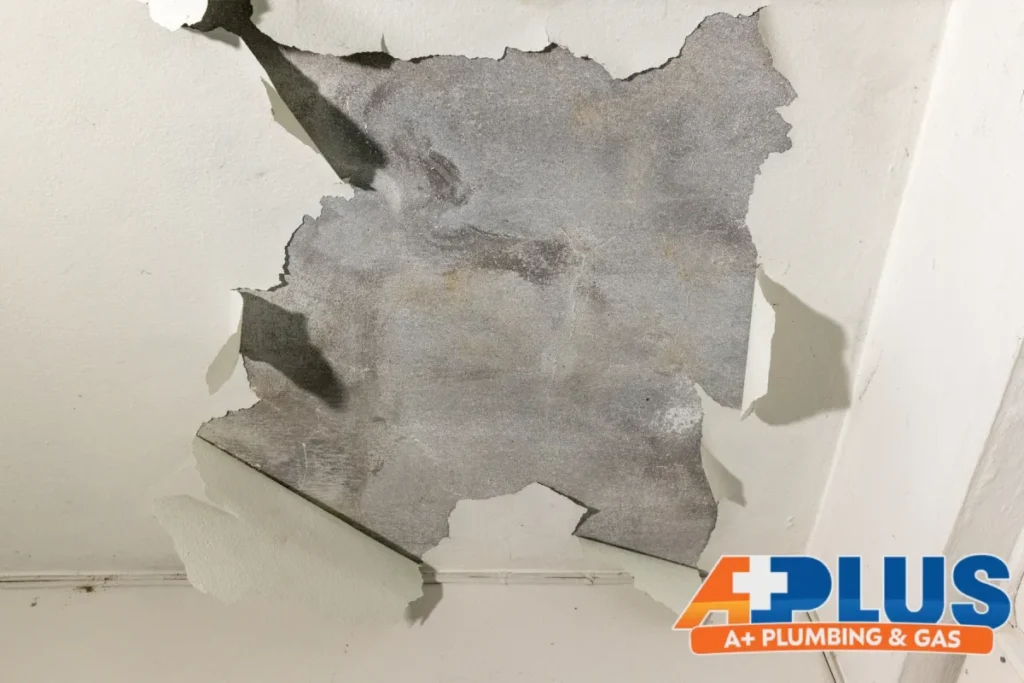
Unexplained moisture, damp flooring, or musty smells may indicate that water is reaching building materials. If the moisture continues, it can damage flooring and create conditions that support mold growth.
Other issues, such as condensation or a separate plumbing leak, can cause similar signs. Finding the source is important before deciding what repairs are needed. Slab leak repair in Yukon, OK, should address the confirmed cause to help prevent further water damage.
Running-Water Sounds When Fixtures Are Off
If you hear water moving through the plumbing when taps, showers, and appliances are off, a leak may be one possible explanation. First, check whether any connected appliance or system is using water.
If the sound continues and you cannot identify the source, a plumber can help investigate the plumbing system.
Cracks or Changes Around Floors and Walls
New or worsening cracks deserve attention, particularly when they appear alongside unexplained moisture or other signs of a leak. However, cracks can develop for many reasons and do not automatically mean a slab leak is present.
A professional assessment can help determine whether the plumbing system may be contributing to the problem.
How Can a Plumber Check for a Slab Leak Without Relying on Water Pressure Alone?
Professional slab leak detection involves reviewing the symptoms, checking the plumbing system, and choosing tests suited to the suspected problem. The goal is to narrow down the source before deciding what repair may be needed.
1. Review the Symptoms and Water Usage
The plumber may ask when the problem started, whether the water bill has changed, and whether you have noticed warm floors, moisture, or unusual sounds. These details help guide the inspection.
2. Check the Water Meter and Plumbing System
A plumber may check whether the water meter continues moving when fixtures are off. If it does, water may be flowing somewhere in the system, although connected equipment and other plumbing sections must also be considered.
A meter check can suggest a leak, but it does not identify the exact location.
3. Perform Suitable Plumbing Tests
Depending on the system, the plumber may use isolation procedures or pressure testing to assess a section of the plumbing. These tests can help narrow down the possible source.
The right method depends on the pipe layout, system condition, and reported symptoms. No single test is suitable for every suspected leak.
4. Use Diagnostic Equipment to Narrow Down the Location
Acoustic leak detection equipment can help identify sounds associated with escaping water. Thermal imaging may also help reveal temperature patterns that could point to a hot-water leak.
These tools support the inspection, but their results need to be interpreted in context. Pipe materials, background noise, and site conditions can affect what the equipment detects.
5. Explain the Findings and Repair Options
After testing, the plumber should explain what the results suggest, whether further testing is needed, and what repair options may be suitable. This gives homeowners a clearer picture of the problem before authorizing work.
What Can Happen If a Slab Leak Goes Undetected?
A small leak may seem harmless at first, but ongoing water loss can create problems if the source remains unresolved.
- Higher water bills: Water may continue escaping even when household use seems normal.
- Flooring damage: Persistent moisture may affect tile, wood, carpet, adhesives, and other nearby materials.
- Moisture problems: Damp materials can develop musty odors and may support mold growth.
- Soil and foundation concerns: Depending on the leak and surrounding conditions, ongoing water loss may affect the soil beneath or around the foundation.
- More involved repairs: If water continues to escape, additional materials may need attention.
Not every slab leak causes structural damage. The outcome depends on the leak’s location, size, duration, and surrounding conditions. Investigating the source helps homeowners understand the extent of the problem and the next steps.
Myth vs. Fact: Normal Water Pressure Means You Do Not Have a Slab Leak
Myth: If your water pressure seems normal, your plumbing system cannot have a slab leak.
Fact: A hidden leak can exist without causing an obvious pressure drop. Faucets and showers may continue to work normally while water escapes from a damaged pipe beneath the concrete.
Water pressure is only one part of the picture. Higher water bills, unexplained moisture, warm flooring, or persistent running-water sounds may provide additional reasons to check the system.
No single symptom confirms a slab leak. Appropriate testing helps determine whether a leak is present and what should happen next.
Applying Our Advanced Technology Backed by Years of Experience and Expert Techniques to Slab Leak Detection
A+ Plumbing & Gas uses advanced technology backed by years of experience, expert techniques, and state-of-the-art equipment to investigate suspected plumbing leaks. The team also uses video camera inspections and considers trenchless technology where suitable to help assess plumbing problems and plan repairs.
Each method serves a different purpose. Plumbing leak detection in Yukon, OK, helps identify and assess suspected leaks based on the type of pipe, suspected leak location, site conditions, and inspection findings.
Using State-of-the-Art Equipment to Investigate Hidden Leaks
Advanced diagnostic equipment can help a plumber investigate signs that are not visible from the surface. Depending on the situation, this may include acoustic tools to help locate leak sounds or thermal imaging to reveal unusual temperature patterns.
These tools can narrow the search and guide the next step. They do not replace a professional assessment, and not every tool is needed for every job.
Applying Expert Techniques and Video Camera Inspections
Video camera inspections can help plumbers view the inside of accessible pipes and identify certain problems, such as blockages, damage, or buildup. However, a camera inspection is not suitable for every pipe beneath a slab and may not directly reveal every leak.
The technician must choose the inspection method based on the plumbing layout and suspected problem. Combining appropriate tests with practical experience can help build a clearer picture before repair work begins.
Considering Trenchless Technology Where Suitable
Trenchless technology can sometimes allow certain underground pipe repairs or replacements with less digging than traditional methods. Its suitability depends on the pipe type, location, damage, and repair method available.
It is not the right option for every slab leak. A plumber should explain whether it is suitable for the specific system rather than promise that concrete or flooring will never need to be opened.
For homeowners in Yukon, identifying the source before choosing a repair can help clarify what work is needed and which options may be available.
Explaining the Findings Clearly
A+ Plumbing & Gas aims to give customers clear information about the suspected problem, recommended work, and estimated costs before repairs begin. The goal is to help homeowners make informed decisions without unnecessary confusion.
If testing confirms a leak, the next step is to review the repair options and decide how to address the problem safely and effectively.
When Should You Schedule Slab Leak Detection?
Consider scheduling an inspection if you notice one or more signs that cannot be explained by normal household water use.
Call a Plumber If You Notice These Signs
- Your water bill increases without a clear reason.
- A section of flooring remains unusually warm or damp.
- You hear running water when fixtures are off.
- Musty odors or unexplained moisture persist.
- You notice possible water damage alongside other plumbing symptoms.
You do not need to wait for your water pressure to drop before asking for help. If moisture is spreading or damage is getting worse, a prompt assessment may help limit further problems.
If there is substantial flooding or an immediate electrical hazard, stay away from the affected area and contact the appropriate emergency service.
People Also Ask About Slab Leak Detection
Can you have a slab leak if your water pressure is normal?
Yes. A small leak beneath a concrete foundation may not cause an obvious pressure drop. Other signs, such as an unexplained increase in your water bill or damp flooring, may warrant an inspection.
What is the first sign of a slab leak?
There is no single first sign for every home. Some homeowners notice higher water bills, warm flooring, running-water sounds, or unexplained moisture before suspecting a leak.
How do plumbers detect slab leaks?
Plumbers may check the water meter, perform suitable plumbing tests, and use tools such as acoustic leak detection equipment or thermal imaging. The method depends on the plumbing system and the signs found during the inspection.
Can a slab leak damage a home’s foundation?
A persistent leak may affect surrounding soil and building materials, but the outcome depends on the amount of water, its location, and how long the leak continues. A professional assessment can help determine the extent of the problem.
Can a slab leak be detected without breaking concrete?
In some cases, testing and specialized equipment can help narrow down a leak’s location before concrete is opened. However, the available methods and need for access depend on the plumbing system and inspection findings.
Should I get slab leak detection if my water bill suddenly increases?
An unexplained increase can be a reason to investigate, particularly if your household water use has not changed. If other signs suggest a hidden leak, contact a plumbing professional to assess the system.
Get Help With Slab Leak Detection
Normal water pressure does not always mean your plumbing is in good condition. If you notice unexplained water use, warm flooring, or persistent moisture, having the system checked can help you understand what is happening.
A+ Plumbing & Gas provides plumbing services with a focus on careful inspections, clear explanations, and quality workmanship. For homeowners looking for slab leak detection, the team can assess the signs and explain the next steps based on the findings.
If a leak is confirmed, the appropriate repair will depend on the pipe’s condition, location, and the options available. The team can explain the recommended work and estimate before moving forward.
Contact us today for slab leak detection to discuss your concerns and request an appointment.
